
Description
Product Overview
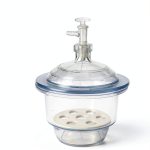
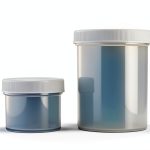
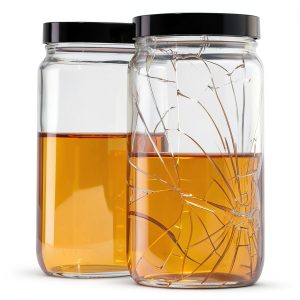
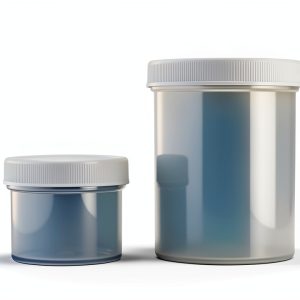
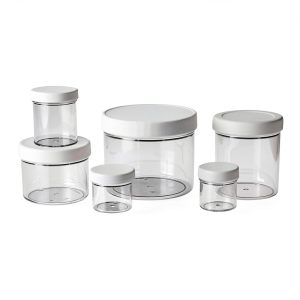
The Qorpak GLC-05919 is a clear, straight‑sided round jar designed for laboratory environments where reliability and chemical resistance are paramount. Constructed from a green thermoset polymer identified as F217, the jar offers superior durability against a wide range of solvents, acids, and bases, reducing the risk of container degradation over time. The PTFE‑lined cap creates a hermetic seal that prevents evaporation, contamination, and leakage, making it ideal for drying applications, sample storage, and precise reagent handling. Each jar holds 6 oz (approximately 177 ml) of material, providing a convenient volume for routine lab tasks while maintaining a compact footprint for efficient storage. The product is supplied in a pack of 24, ensuring consistent availability for high‑throughput workflows and bulk purchasing needs. ![[Product front view showing all components]](https://www.solacebuy.store/wp-content/uploads/2026/07/a0f2c2a93158496188babc634911c235.jpg)
Usage
These jars excel in a variety of laboratory settings, from academic research labs to industrial quality‑control facilities. Their chemical‑resistant construction makes them suitable for drying hygroscopic solids, storing volatile solvents, and preserving sensitive biological samples. The straight‑sided geometry facilitates easy labeling, stacking, and retrieval, while the PTFE‑lined cap allows for repeated opening and closing without compromising the seal. Users in analytical chemistry, microbiology, and materials science will appreciate the jar’s ability to maintain sample integrity during prolonged storage or high‑temperature drying cycles. The 6 oz capacity strikes a balance between sufficient volume for meaningful experiments and manageable size for handling with standard lab equipment such as vortex mixers, centrifuges, and drying ovens.
Why Choose Us
Choosing the Qorpak GLC‑05919 means selecting a product backed by decades of expertise in scientific glassware and polymer containers. Manufactured in Germany, the jar meets stringent European quality standards, ensuring uniform wall thickness, dimensional accuracy, and consistent PTFE coating performance. Each cap undergoes rigorous leak‑test procedures to guarantee a tight seal that resists pressure differentials and temperature fluctuations. Qorpak’s commitment to sustainability is reflected in the recyclable thermoset material and the minimal packaging weight of 0.3 kg per jar, reducing shipping costs and environmental impact. In addition, the company provides responsive technical support, offering guidance on optimal drying protocols, compatibility with specific chemicals, and troubleshooting for any seal‑related concerns. This comprehensive service package gives laboratories confidence that their investment will deliver reliable performance throughout the product’s lifecycle.
Key Features
- Thermoset F217 body delivers exceptional chemical resistance for a broad range of solvents and reagents.
- PTFE‑lined cap creates a leak‑proof, airtight seal that prevents evaporation and contamination.
- 6 oz (177 ml) capacity provides a versatile volume for drying, storage, and sample preparation.
- Straight‑sided design enables easy labeling, stacking, and integration with standard lab equipment.
- Dedicated Qorpak customer support ensures expert assistance and after‑sales service for any application needs.
FAQ
Can the jar be used with high‑temperature drying ovens?
Yes, the thermoset F217 material is rated for temperatures up to 200 °C, making the jar suitable for most laboratory drying ovens. The PTFE‑lined cap maintains its seal at elevated temperatures, but it is recommended to allow the cap to cool before removal to avoid thermal shock.
Is the PTFE lining compatible with aggressive acids such as hydrofluoric acid?
The PTFE lining provides excellent resistance to many acids, including hydrochloric and sulfuric acids. However, hydrofluoric acid can degrade PTFE over extended exposure, so it is advisable to use a dedicated container for HF or limit contact time to a few minutes.
How should the jars be cleaned after use?
Rinse the jar with deionized water followed by a mild detergent solution. For stubborn residues, a brief soak in a compatible solvent (e.g., ethanol) is effective. Rinse thoroughly and dry the interior before resealing with the PTFE‑lined cap to maintain optimal performance.
Can the jars be autoclaved for sterilization?
Yes, the jars can be autoclaved at standard cycles (121 °C, 15 psi) without compromising the thermoset body. The PTFE cap should be removed before autoclaving to prevent deformation; after the cycle, the cap can be reinstalled once the jar has cooled.
What is the recommended storage condition for unused jars?
Store the jars in a cool, dry environment away from direct sunlight. Keeping them in their original packaging helps protect the PTFE caps from dust and ensures the seals remain pristine until first use.
Reviews
There are no reviews yet.